Art History, Movement by Movement
From Gothic altarpieces to Futurist speed: the story of Western art told one movement at a time, through the artists who made it and the works that changed what painting could be.
A guide you can read in order
Art history makes the most sense as a chain of reactions. The Renaissance revived the ancient world; the Baroque answered its calm with drama; the Impressionists rebelled against the Salon, and the Post-Impressionists against the Impressionists. Every page here shows where a movement came from and what came after it, so you can follow the story forward or backward from anywhere.
Each movement links to the artists who led it, each artist to their most important works, and each work to the details worth looking for when you stand in front of it. Every image is a public-domain reproduction, credited on our image credits page.
Start here
- Guide Art movements timeline New to art history? See every major movement in order, with dates and key names, on one page.
- Guide How to look at a painting A simple routine for standing in front of any painting and actually seeing it.
- Artwork Impression, Sunrise The small harbor view whose title a critic turned into an insult, and a movement adopted as its name.
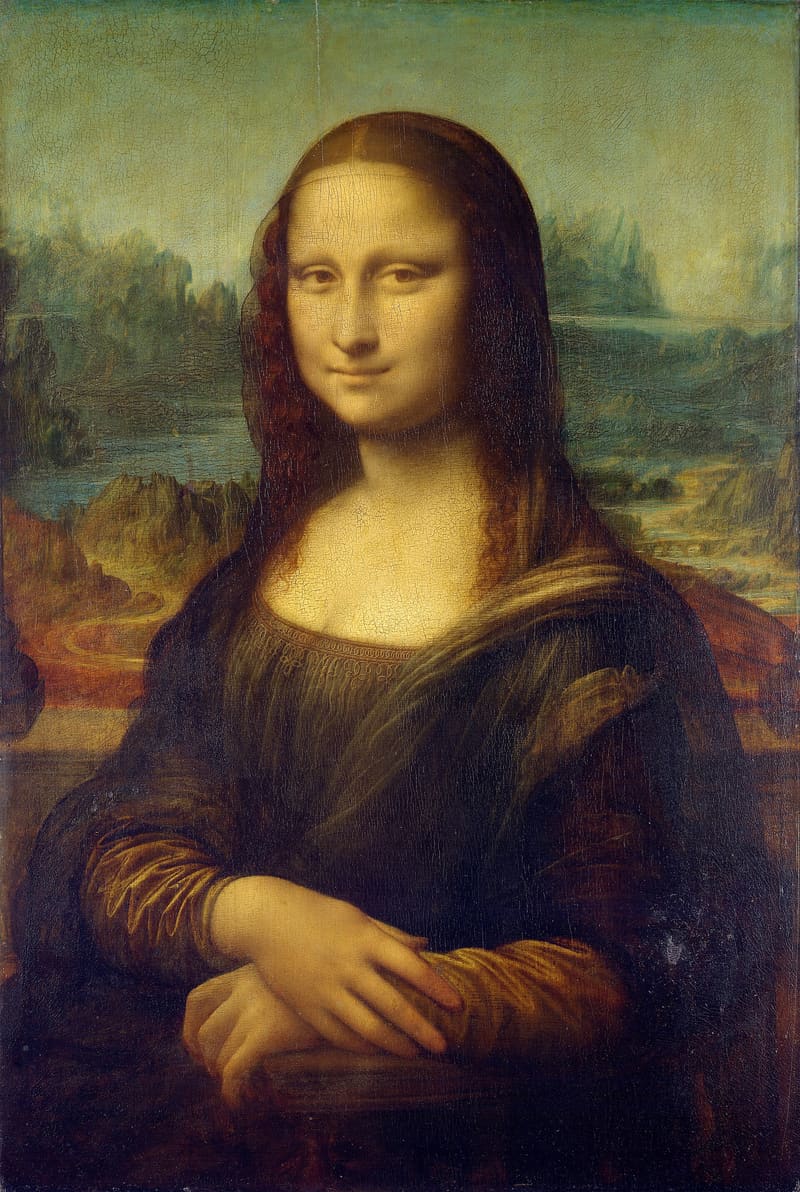
- Story The Mona Lisa theft How a handyman walked out of the Louvre with the Mona Lisa, and made it the most famous painting on Earth.
The movements at a glance
- Gothic art c. 1140–1400
- Renaissance c. 1400–1600
- Mannerism c. 1520–1600
- Baroque c. 1600–1750
- Rococo c. 1720–1780
- Neoclassicism c. 1760–1830
- Romanticism c. 1790–1850
- Realism c. 1840–1880
- The Pre-Raphaelites c. 1848–1900
- Impressionism c. 1867–1886
- Post-Impressionism c. 1886–1905
- Art Nouveau c. 1890–1910
- Expressionism c. 1905–1925
- Fauvism c. 1905–1908
- Cubism c. 1907–1914
- Futurism c. 1909–1916
Read about every art movement or see them side by side in the art movements timeline.
Who is behind AllArtDirectory

AllArtDirectory is edited by Martin Eidelberg, professor emeritus of art history at Rutgers University, whose research on Tiffany glass revealed Clara Driscoll as the designer behind many of the studio's famous lamps. Pages are written by our editorial team and checked against museum catalogs and standard reference works.
Spotted a mistake? Tell us and we will correct it.
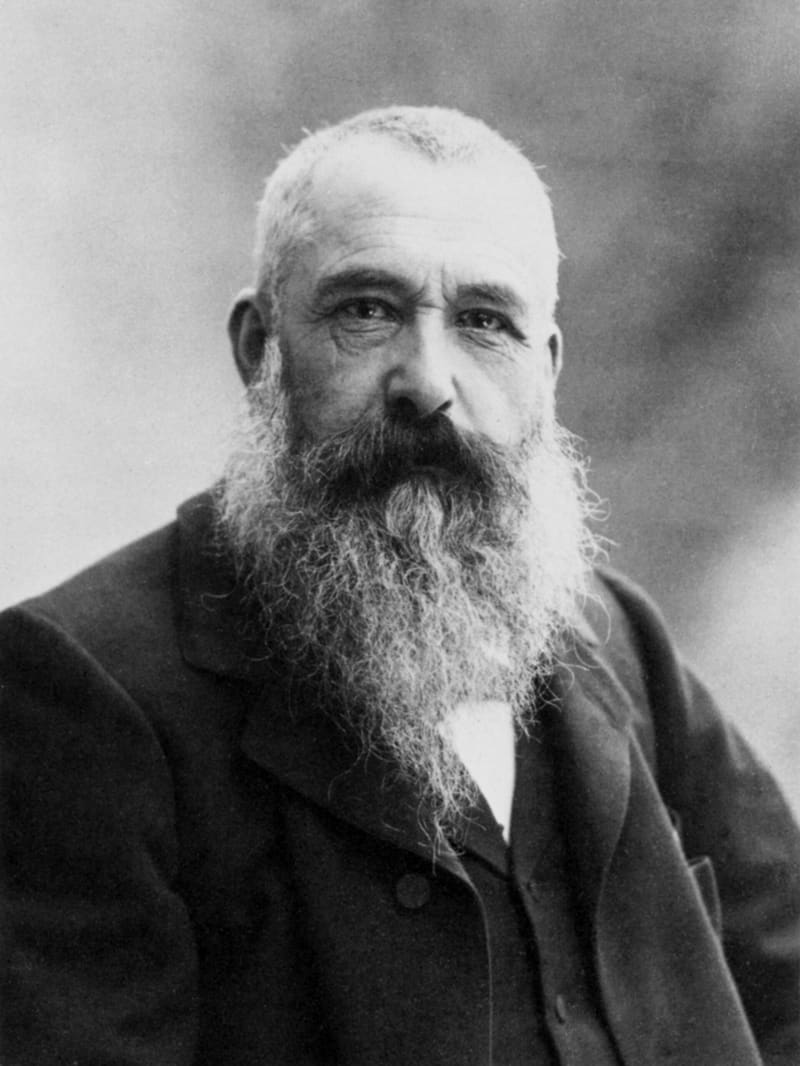
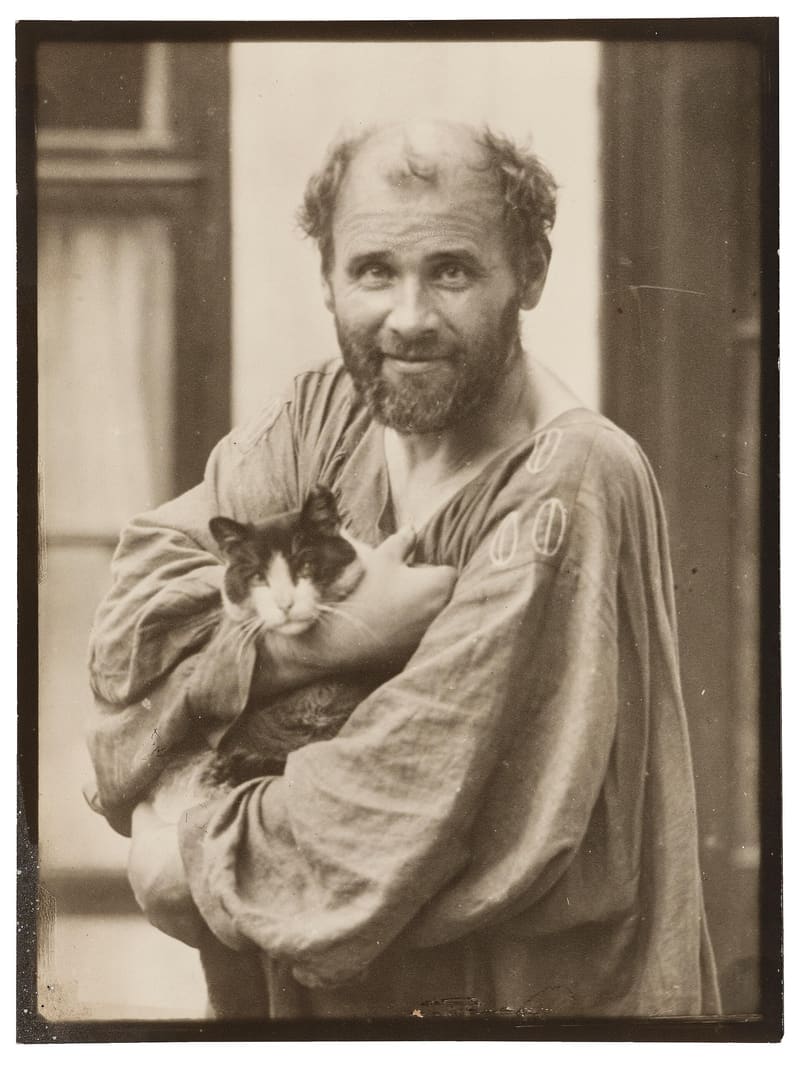
Meet the artists
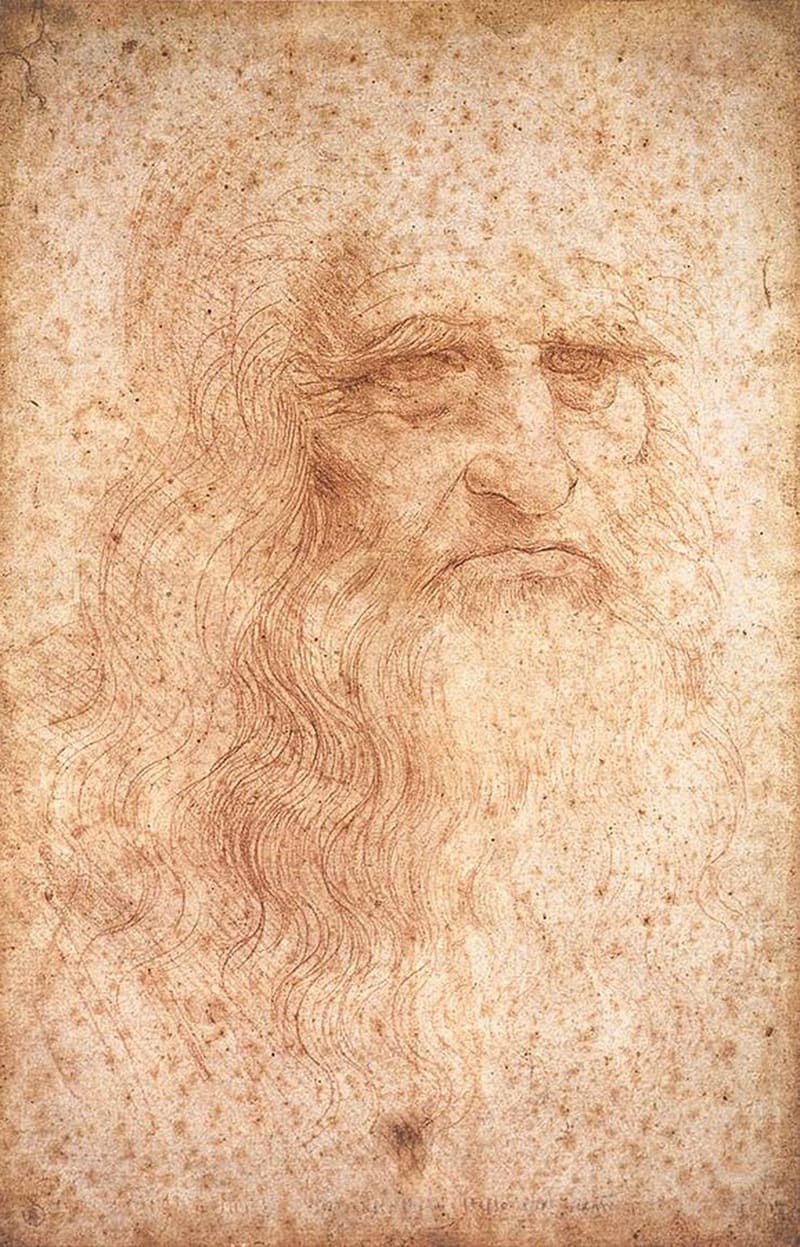
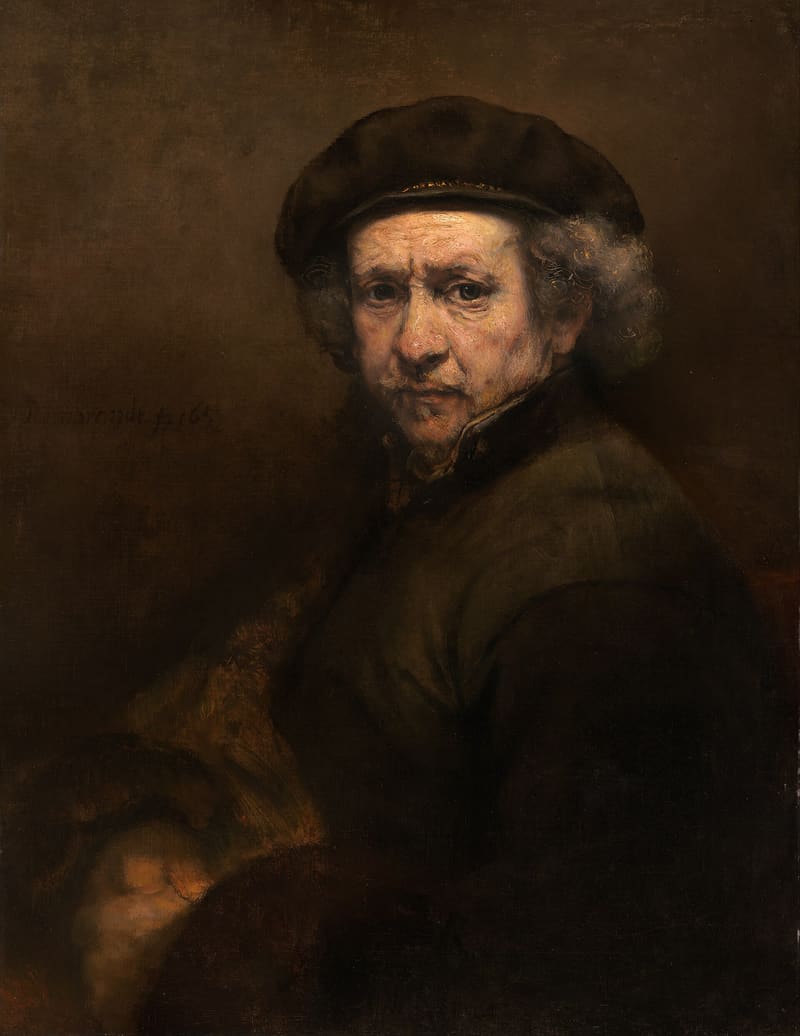
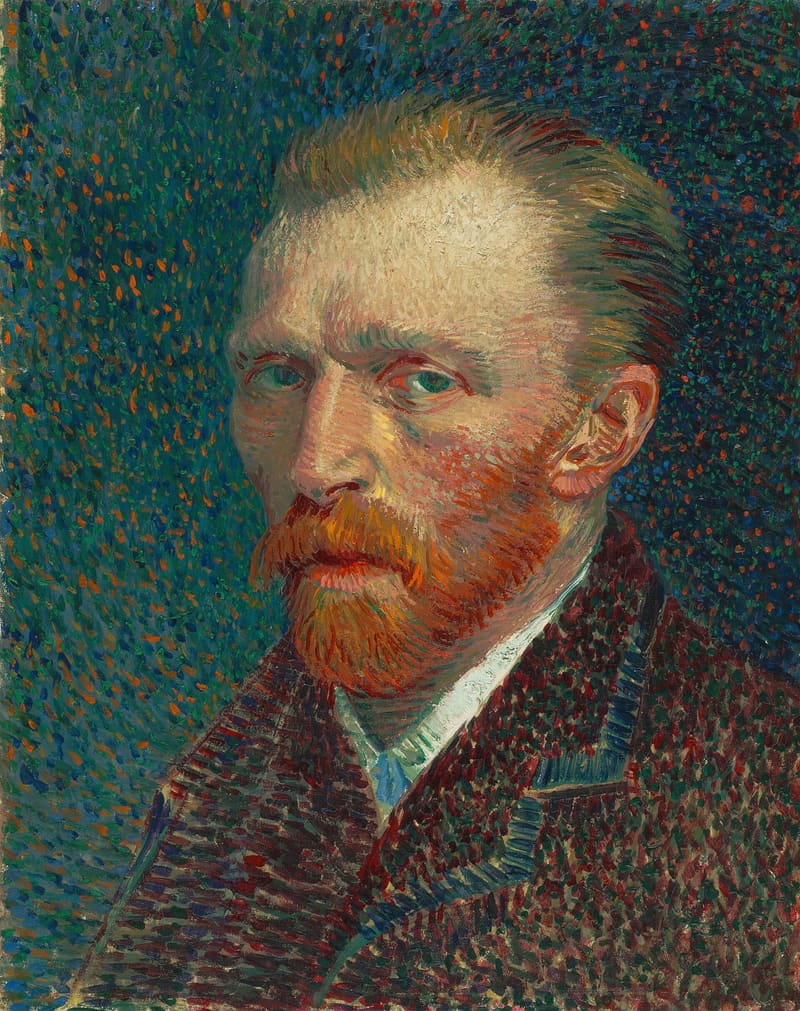
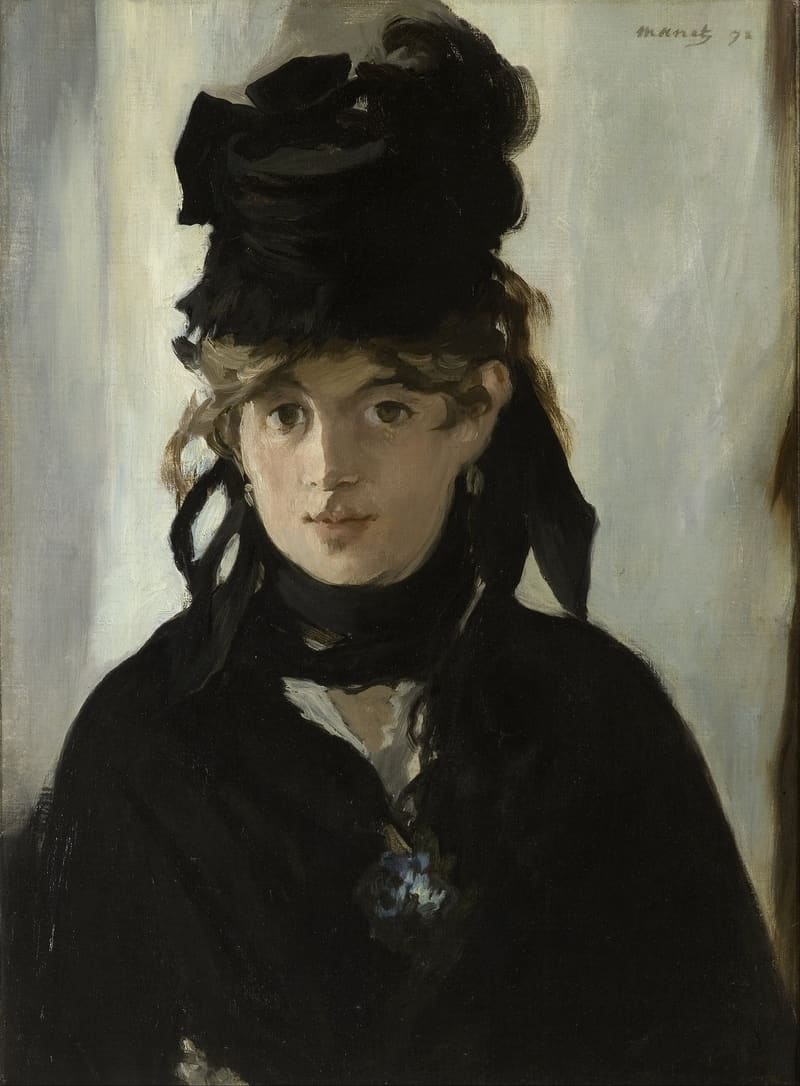
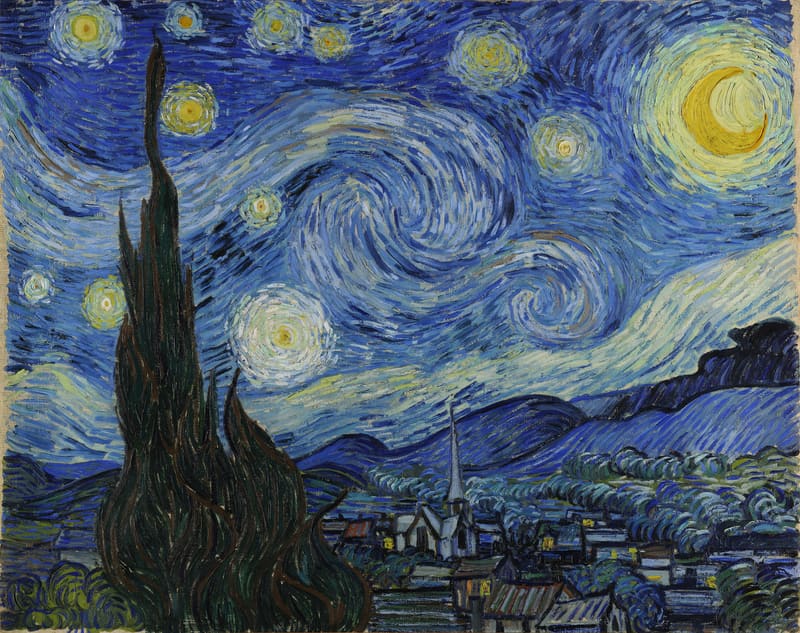
Paintings everyone should know
Browse by medium or era
See how art was made and when: art mediums and techniques, from oil paint to watercolor, or art history by era, century by century.